Thanksgiving Storms Threaten Travel and Macy’s Parade
Thanksgiving Storms Threaten Millions of Travelers and Macy’s Parade
Severe storms could disrupt flights, highways, rail services and outdoor events across the United States during the Thanksgiving travel period. The potential impacts include flight delays, cancellations, dangerous road conditions and changes to major public events.
NBC News reported that storms could affect millions of Thanksgiving travelers nationwide and create challenges for the Macy’s Thanksgiving Day Parade in New York City. Source 1
The Associated Press reported that incoming storms could worsen travel difficulties after a week affected by airline glitches. Source 7
A storm threat does not mean every flight, road or event will be canceled. Conditions will depend on the storm’s track, timing, intensity and local transportation decisions. Travelers should rely on current airline, airport, weather and government updates rather than assume that a forecast confirms a cancellation.
How Thanksgiving Storms Could Disrupt Travel
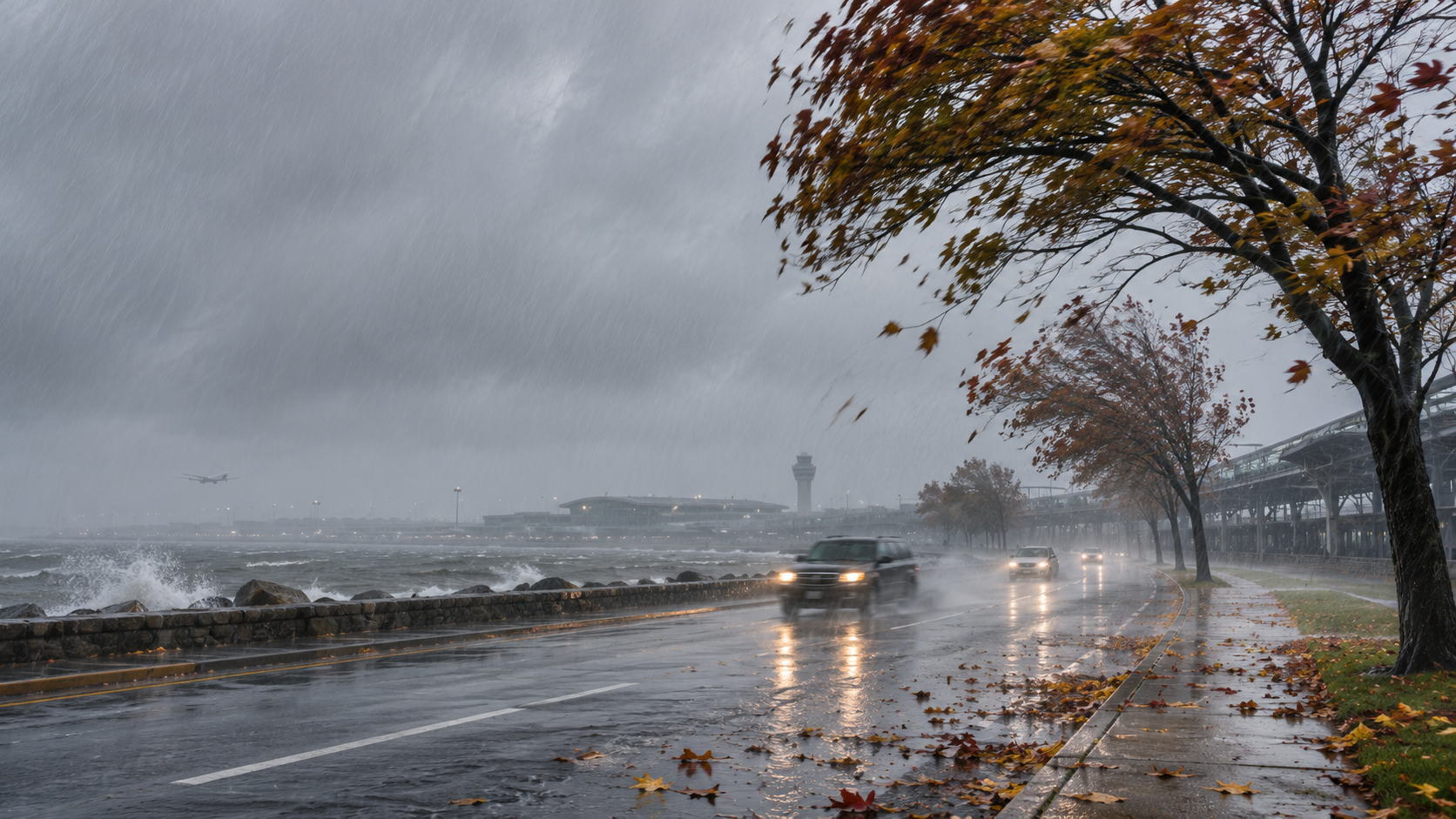
Storms can affect nearly every part of a journey. Flights may face delays, diversions or cancellations. Heavy rain, strong winds and poor visibility can slow traffic on highways and bridges. Rail operators may impose speed restrictions or suspend service near flooding, ice or damaged infrastructure.
Local buses, subway systems and rideshare services may also experience delays. Outdoor events may require additional safety assessments when wind, lightning or flooding is possible.
The risk depends on location and timing. A storm reaching a major airport during the morning departure rush could cause more disruption than one arriving after most flights have landed. Conditions can change quickly, so travelers should check updates throughout the journey.
Why Thanksgiving Travel Is Especially Vulnerable
Thanksgiving travel operates under unusually high demand. Aircraft and crews often move through several airports each day, leaving little flexibility in the schedule. A delay at one major hub can affect later departures throughout the network.
Connecting passengers face additional risks. A short delay on the first flight may cause a missed connection, while a late aircraft may leave the next airport without the equipment or crew required for a scheduled departure.
Chicago O’Hare illustrates how quickly holiday disruptions can spread. Delays were reported after a brief ground stop on the busiest Thanksgiving travel day, adding pressure to an already crowded aviation system. Source 5
Travelers should monitor their itinerary after leaving home. A flight listed as on time the previous evening may change before departure, during boarding or at a connecting airport.
Why Storm Timing Matters
The timing of severe weather can determine whether travelers face minor delays or widespread disruption. Potential impacts include:
- Departure delays caused by runway, visibility or air-traffic restrictions.
- Diversions when conditions worsen near the destination.
- Arrival delays caused by congestion or reduced airport capacity.
- Aircraft and crew positioning problems.
- Missed connections and delayed baggage.
Check travel status the evening before departure, again in the morning and before leaving for the airport. Check during connections because conditions at the next airport may differ from those at the origin.
Northeast Storm Raises Concern About a Potential Bomb Cyclone
The Northeast was preparing for a potential “bomb cyclone” as Thanksgiving travel began, according to NewsNation. Source 9
A bomb cyclone is a storm that strengthens rapidly as its central atmospheric pressure falls quickly. The term describes the speed of development; it does not mean that every nearby location will experience the same conditions.
A strong Northeast system could affect New York City, New England and the Mid-Atlantic. Airports, interstate highways, commuter rail networks and regional transit systems could face operational problems. Exact impacts will depend on the storm’s position, intensity, speed and precipitation type.
Potential hazards include:
- Heavy rain and reduced visibility.
- Strong winds affecting vehicles, aircraft and infrastructure.
- Flooding in vulnerable areas.
- Coastal impacts.
- Snow or mixed precipitation in colder locations.
- Debris and traffic disruptions.
- Rail and commuter-service delays.
A storm does not need to hit an airport directly to cause flight problems. Aircraft and crews may arrive late from other cities, and connecting passengers may be stranded elsewhere. Weather restrictions in one region can therefore create holiday flight delays across a much larger network.
Before traveling through the Northeast, check National Weather Service alerts, airline notifications, airport departure boards, Amtrak updates and state highway advisories.
Could the Macy’s Thanksgiving Day Parade Face Disruptions?
SILive.com described the New York City forecast as a possible “Thanksgiving washout,” signaling a risk of widespread rain and difficult outdoor conditions. Source 3
The phrase does not confirm that Thanksgiving activities will be canceled. It indicates the possibility of poor conditions for spectators, participants, crews and visitors.
Rain and wind could affect streets along the parade route, public transportation and pedestrian access. Visitors may face longer walking times, crowded stations and changes to viewing locations. Official decisions about parade operations should come from Macy’s, New York City officials and emergency-management authorities.
Strong winds can create safety concerns for balloons, floats, temporary structures and crowd-control equipment. Heavy rain can reduce visibility and make prolonged outdoor exposure uncomfortable. Lightning would create an additional safety risk.
Paradegoers should monitor:
- Official Macy’s announcements.
- New York City emergency alerts.
- National Weather Service forecasts and warnings.
- Metropolitan Transportation Authority updates.
- Police notices and street-closure information.
Prepare for wet and cold conditions, delayed subway or bus service, restricted street access and longer walks. Avoid exposed waterfront areas, elevated locations and other unsafe places during strong winds, lightning or flooding. Follow instructions from police, event personnel and emergency officials.
Event decisions may be made close to parade time because officials can use updated observations and short-range forecasts. Check official channels before traveling to the route and again before leaving your accommodation.
Chicago O’Hare Delays Show How Disruptions Spread
Chicago O’Hare experienced delays after a brief ground stop during the busiest Thanksgiving travel day, according to the supplied report. Source 5
A ground stop temporarily holds departures to a specific airport or region. Air-traffic managers use ground stops to manage safety, congestion and capacity. Even a short pause can cause longer disruptions when flights, crews and gates fall behind schedule.
Possible consequences include missed connections, aircraft repositioning problems, crew conflicts, gate shortages, delayed baggage and longer customer-service queues.
The report does not establish that the O’Hare ground stop was caused entirely by the broader Northeast storm threat. Weather, air-traffic restrictions, equipment problems and heavy holiday demand can each contribute to delays.
Before leaving home, travelers should:
- Check the airline app and airport website.
- Confirm the flight number, departure time and gate.
- Allow extra time for security and checked baggage.
- Review rebooking options before airport lines grow.
- Keep identification, medication, valuables, chargers and essential electronics in carry-on luggage.
- Build flexibility into connecting itineraries.
- Save receipts for eligible expenses.
- Review airline delay, cancellation and reimbursement policies.
Airlines Could Face Additional Delays
The Associated Press reported that incoming storms could compound a week already affected by airline glitches. Source 7
Technical and operational problems can leave backlogs after the original issue is resolved. Aircraft may be out of position, crews may be unavailable and customer-service lines may grow. Severe weather can add another layer of disruption.
Weather-related delays and airline-controlled disruptions may involve different assistance policies. Document delay notifications, cancellation notices, rebooking offers, hotel bills, meal expenses and baggage claims.
If a flight is delayed or canceled, check the airline app first. Digital rebooking options may appear before an airport agent can assist. Compare alternatives carefully, including connection times and the likelihood of further weather disruption. Confirm whether checked baggage will continue to the destination or must be collected.
Travel insurance and credit-card travel protection may provide assistance in some circumstances. Review the applicable policy and airline terms before assuming that an expense will be reimbursed.
Road and Rail Travelers Face Additional Risks
Road travelers may encounter standing water, hydroplaning, reduced visibility, wind-driven debris, icy pavement and traffic backups caused by crashes or closures.
Rail passengers could face speed restrictions, delayed departures, service suspensions, flooding near tracks and missed connections. Check the rail operator and state transportation agency before departure.
Travel during daylight when conditions permit. Check tires, windshield wipers, lights and battery condition. Carry fuel, water, food, charged communication devices and weather-appropriate clothing. Identify alternate routes and share the itinerary with a trusted contact.
Slow down when visibility or traction deteriorates. Never drive through flooded roads because water depth and current strength can be difficult to judge. Delay the trip when officials advise people to stay off the roads.
How to Prepare Before Thanksgiving Departure
Confirm flights, trains and buses before leaving. Check weather alerts along the entire route, including departure, arrival and connecting cities. Verify hotel, rental-car and ground-transportation reservations.
Pack government-issued identification, prescription medication, chargers, power banks, weather-appropriate clothing, snacks, water and important travel documents. Download airline, airport, rail and local emergency apps, and enable push notifications.
Create a backup plan that includes another departure time, an alternate route, an overnight option or a remote-work arrangement.
A forecast describes expected conditions. A watch means conditions are possible and preparation should begin. A warning means dangerous conditions are occurring or imminent. An advisory identifies conditions that may create inconvenience or hazards but are generally less severe than warning-level weather.
Prioritize official alerts over social-media speculation. A clear departure city does not guarantee a clear route, connection airport or destination.
What Remains Unclear
The supplied reports do not provide a complete live forecast. Before publication or departure, verify the storm track, peak timing, precipitation totals, wind speeds, airport-specific cancellations, parade operating conditions, road and rail closures and local emergency instructions.
Forecasts can change as a system approaches. Avoid unsupported figures for the number of affected travelers and do not treat potential disruptions as confirmed cancellations.
Key Takeaways
- Thanksgiving storms could disrupt flights, roads, rail services and local transportation.
- The Northeast faces concern because of the potential for a rapidly strengthening storm.
- Rain, wind and transportation problems could affect the Macy’s Thanksgiving Day Parade.
- Chicago O’Hare delays show how quickly disruptions can spread through a busy aviation network.
- Severe weather may compound existing airline glitches.
- Check official weather, airline, airport, rail and government updates throughout the trip.
- Flexible plans and safe travel decisions can reduce disruption.
Frequently Asked Questions
Could Thanksgiving storms cancel flights nationwide?
Storms can cause delays, diversions and cancellations, but no nationwide cancellation should be assumed without official airline and airport announcements. Impacts depend on the airport, route, storm timing and local operating conditions.
Will the Macy’s Thanksgiving Day Parade be canceled?
The supplied reports describe a potential weather impact, not a confirmed cancellation. Check official Macy’s and New York City announcements. Wind, lightning, flooding and transportation conditions could influence parade operations.
What is a bomb cyclone?
A bomb cyclone is a storm that strengthens rapidly as its central pressure falls quickly. A strong Northeast system could create dangerous travel conditions and disrupt flights, roads and rail services. The term alone does not determine conditions at every destination.
What should I do if my Thanksgiving flight is delayed?
Check the airline app and airport status. Review rebooking options, keep essential items in carry-on luggage and ask about baggage handling. Document notifications and eligible expenses, and review airline, insurance and credit-card travel-protection terms.
How can I check whether my route is safe?
Review National Weather Service alerts for every city along the route. Check airline, airport, rail and state transportation updates. Avoid flooded roads, follow emergency instructions and delay travel when authorities recommend staying off the roads.
Are Chicago O’Hare delays connected to the Northeast storm?
The report describes O’Hare delays after a ground stop but does not establish that the Northeast storm directly caused them. Weather, air-traffic restrictions, equipment issues and heavy holiday demand can each contribute to delays. Check current O’Hare and airline advisories for confirmed causes and updates.
Related Articles
-
 11 Injured in Reported Houthi Attack on Riyadh Tower
-
 How Businesses Supporting Ukraine Can Prepare for Sabotage
-
 Cartagena Supermarket Hostage Crisis After Failed Robbery
-
 Venezuela’s Reported $240bn Debt Crisis Explained
-
 Iowa Lead Azide Detonation: Middletown Evacuation Guidance
-
 Huawei Convicted of Trade Secret Conspiracy in U.S. Trial
-
 Kilmar Abrego Garcia Reportedly Heading to Spain
-
 Ukraine Calls Reported Libya Ship Attack Self-Defence
-
 Two Arrested After Suspected Burglary at Royal Norfolk Home
-
 What the Unsealed Ilhan Omar Search Records Show
-
 China Investigates Shanghai Party Chief Chen Jining
-
 Japan Defends ICC Despite U.S. Opposition
-
 Haitian Families Facing Separation at the Canadian Border
-
 Thanksgiving Nor’easter: Rain, Wind, and Travel Risks
-
 Morning Brief: Huang, Iowa Detonation and Hormuz Tolls
-
 Bay Area King Tide Flooding: Road Closures and Updates