Can You Get Measles After the MMR Vaccine?
Can You Get Measles After the MMR Vaccine?
Yes, but it is uncommon. The measles, mumps, and rubella (MMR) vaccine provides strong protection, especially after the recommended two-dose series. The Centers for Disease Control and Prevention (CDC) estimates that two doses are about 97% effective against measles, while one dose is about 93% effective. Source 1
Vaccination does not guarantee complete protection after every exposure, but it substantially lowers the risk of infection, severe illness, hospitalization, and complications. It also reduces transmission to infants, pregnant people, and individuals with weakened immune systems.
Why Breakthrough Measles Cases Occur
Breakthrough measles is an infection in someone who received one or more MMR doses. It can occur when:
- The immune system does not produce a sufficient response.
- The person received only one dose or received doses too close together.
- Vaccination records are incomplete or inaccurate.
- Exposure occurred before immunity developed.
- An immune condition or medication reduced the vaccine response.
- Exposure involved intense or prolonged contact with an infected person.
Breakthrough infection does not mean the vaccine is ineffective. A vaccine that protects about 97% of people leaves a small percentage vulnerable. High vaccination coverage reduces transmission and protects people who cannot be vaccinated or may not develop a complete immune response.
Outbreaks, international travel, and close household contact can increase exposure risk. Infected travelers can bring measles into communities with lower vaccination coverage. Source 2
How Effective Is the MMR Vaccine?
One dose provides approximately 93% protection. The routine first dose is generally given at 12 through 15 months of age. The second dose is generally given at 4 through 6 years of age, although it may be given earlier when appropriate. The usual minimum interval between doses is 28 days. Source 3
Two appropriately timed doses provide about 97% protection. A second dose protects people who did not respond adequately to the first dose and increases the proportion of people with immunity.
Protection generally lasts for many years. Most people do not need routine booster doses solely because time has passed or measles activity has increased. Additional guidance may apply during an outbreak, before international travel, or for people with increased occupational exposure.
Symptoms of Breakthrough Measles
Vaccinated people who develop measles may have milder illness, but this is not guaranteed. They can still develop complications and transmit the virus.
Symptoms may include:
- Fever.
- Cough.
- Runny nose.
- Red or irritated eyes.
- Tiredness.
- A rash that spreads across the body.
A rash alone does not confirm measles. If measles is suspected, call a healthcare provider before visiting a clinic, emergency department, school, workplace, or pharmacy. Measles spreads easily, and arriving without warning can expose other patients and staff.
Why Measles Still Matters After Vaccination
Measles spreads through respiratory particles released when an infected person breathes, coughs, or sneezes. The virus can remain infectious indoors for up to two hours after the infected person leaves, according to the CDC. Source 4
Possible complications include ear infections, diarrhea, pneumonia, encephalitis, hospitalization, and death. Infants, pregnant people, adults, and individuals with weakened immune systems may face higher risks. Source 5
High vaccination coverage limits transmission and protects vulnerable people. Community protection weakens when vaccination rates fall. Source 6
Who Is Considered Protected?
Accepted evidence may include:
- Written documentation of the recommended MMR doses.
- Laboratory evidence of measles immunity.
- A medically confirmed previous measles infection.
Check pediatric, primary care, pharmacy, school, workplace, and immunization-registry records. A healthcare professional can determine whether doses were given at valid ages and intervals.
Adults with uncertain records should not rely on memory or family recollections. If records cannot be found, a healthcare professional may recommend vaccination. An additional MMR dose is generally preferable to remaining unprotected when there is no evidence of immunity, but pregnancy, immune conditions, and other factors require individual guidance.
MMR is a live vaccine. It is generally not given during pregnancy or to people with certain severe immune conditions. Source 7
Do Vaccinated Adults Need an MMR Booster?
Most adults with documented recommended vaccination or another accepted form of immunity do not need a routine booster. Another dose or an immunity review may be appropriate during an outbreak, before international travel, or when records are missing.
Decisions may also depend on occupation, immune health, exposure history, and local public health guidance. Healthcare workers, international travelers, students, childcare workers, and people living in outbreak areas should follow current recommendations. Guidance generally focuses on confirming immunity rather than automatically vaccinating every adult. Source 8
What to Do After Measles Exposure
Call a healthcare provider or local health department promptly. Do not wait for symptoms. Recommendations depend on the time since exposure, age, vaccination history, pregnancy, immune status, and medical conditions.
MMR vaccination may help in some situations when given soon after exposure. Immune globulin may be considered for certain high-risk people. A healthcare professional or public health authority must make these decisions. Source 9
Monitor for fever, cough, runny nose, red eyes, and rash. Record the exposure date, symptom onset, vaccination dates, recent travel, and known exposure locations.
If measles is suspected:
- Stay home and avoid close contact with others.
- Call a healthcare provider before seeking in-person care.
- Avoid public transportation and crowded spaces.
- Follow isolation, testing, and notification instructions.
- Avoid contact with infants, pregnant people, and immunocompromised individuals.
When to Seek Urgent Care
Seek urgent medical care for trouble breathing, confusion, severe weakness, dehydration, seizures, severe headache or neck stiffness, persistent high fever, difficulty staying awake, or symptoms in an infant, pregnant person, or immunocompromised individual. Call before entering a healthcare facility.
Key Takeaways
- Vaccinated people can rarely develop measles, but two MMR doses provide strong protection.
- Breakthrough infection does not mean the vaccine failed for everyone.
- Vaccination lowers the risk of severe illness and limits transmission.
- Most people do not need a routine booster beyond the recommended series.
- People with uncertain records, recent exposure, travel plans, or immune conditions should seek professional advice.
- Suspected measles requires a phone call before visiting a healthcare facility.
Frequently Asked Questions
Can you get measles after two MMR doses?
Yes. Two doses provide about 97% protection, but no vaccine prevents every infection. Anyone with fever, cough, red eyes, and a rash after exposure should contact a healthcare professional.
How likely is measles if you are vaccinated?
The risk is much lower after vaccination, especially after two doses. Risk also depends on exposure intensity, immune status, outbreak conditions, and record accuracy.
Do adults need an MMR booster?
Most adults with documented vaccination or another accepted form of immunity do not need a routine booster. Additional guidance may apply during an outbreak, before international travel, or when records are missing.
Can a blood test show measles immunity?
Yes, but testing is not necessary for everyone. A healthcare professional can decide whether it is appropriate. Reliable vaccination records may be more useful in some situations.
Related Articles
-
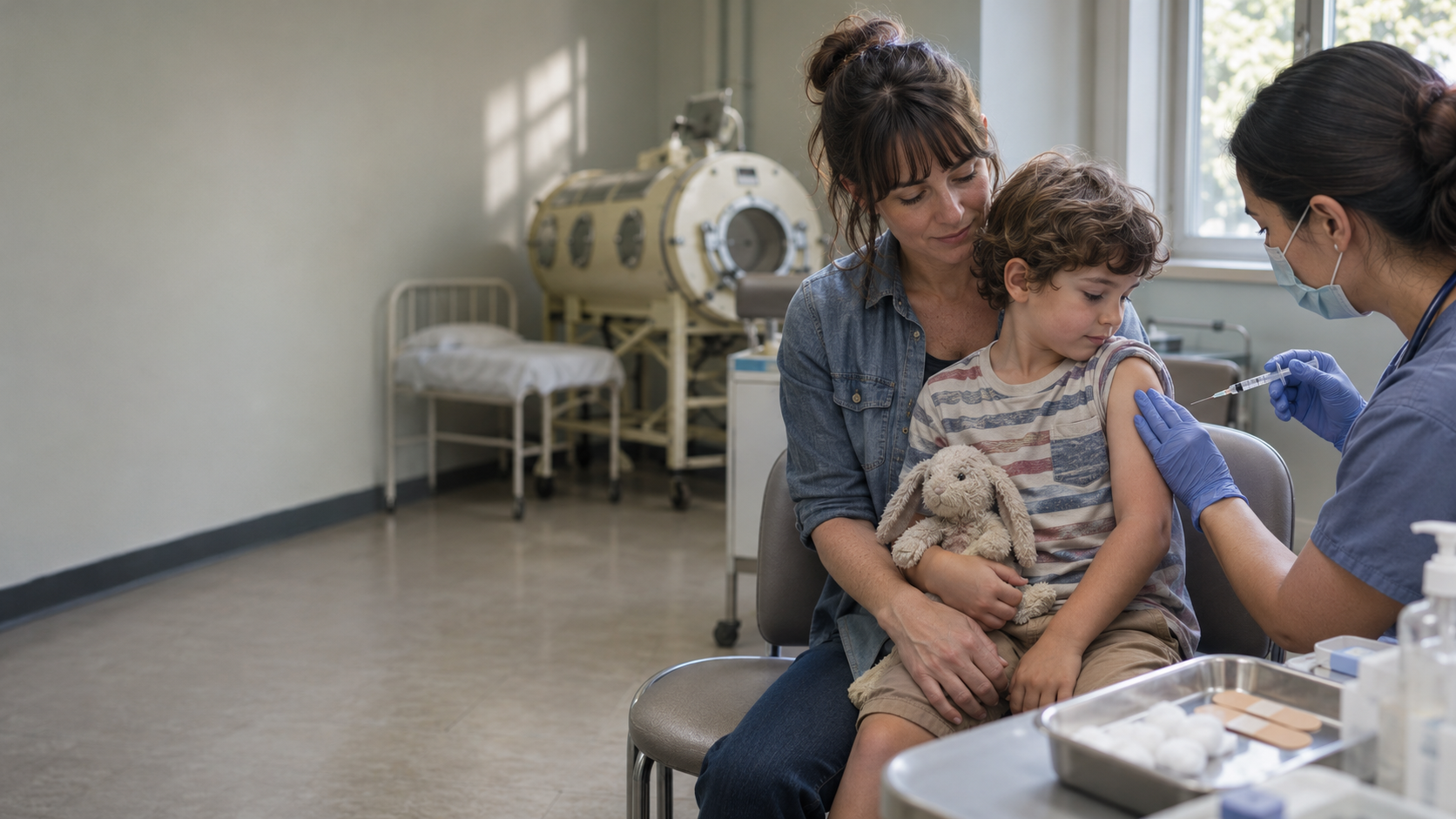 How Vaccine Policy Could Bring Back More Than Measles
-
 Early Flu Season Raises Questions About CDC Communication
-
 Diabetes and Alzheimer’s Risk: What 53% Means
-
 Can Salmon Sperm Skincare Make You Look Younger?
-
 Pennsylvania Reports Ninth Measles-Related Death
-
 Bird Flu Detected in Grant County Dairy Cattle
-
 Waist Size and Dementia Risk: What the Evidence Shows
-
 Pennsylvania Ninth Measles Death: Cases Reach 1,638
-
 Natural Family Planning Gains Interest Among U.S. Women
-
 Embryo Screening for Autism: Science and Ethics
-
 New Prostate Cancer Screening Guidelines Explained
-
 Measles Risk for Adults in the United States
-
 Flu Cases Rise Across New York Before Thanksgiving
-
 Farm-Raised Deer Tests Positive for CWD in Kentucky
-
 Livingston County Opens Deer Check Station After Positive Test
-
 South Dakota Measles Concerns: What Families Should Know